Long-term horizon
3–5 Years
Where compliance risk quietly compounds
Execution model
Active
Recovery, support, and monitoring between visits
Operating layer
Unified
eCOA, wearables, analytics, and human follow-through
Execution Continuity Layer
Detect → intervene → recover → document
Operational Proof, Not Just Visibility
In long-duration post-market studies, visibility alone does not protect evidence. Sponsors need an operating layer that detects drift early, intervenes quickly, reduces site burden, and restores continuity before missingness becomes permanent.
- High ePRO completion is sustained through active recovery workflows, not just reminders
- Wearable continuity improves when monitoring is paired with live patient support
- Retention strengthens when follow-up ownership is operationally defined
- Issue resolution accelerates when one layer owns follow-through instead of distributing accountability across multiple vendors
This is the difference between collecting data and protecting the conditions required for that data to remain interpretable over time.

Who This Page Is For
This page is built for sponsors and teams running post-market programs where long-term compliance directly affects endpoint usability, regulatory confidence, submission confidence, and evidence quality over time.
- MedTech PMCF programs requiring sustained patient engagement
- Post-approval studies with years of follow-up
- Real-world follow-up models where visits become less frequent over time
- Studies using wearables in clinical trials that need continuity beyond device deployment
- Programs where sites need added support through site enablement for long-duration studies
What Breaks Post-Market Compliance Over Time
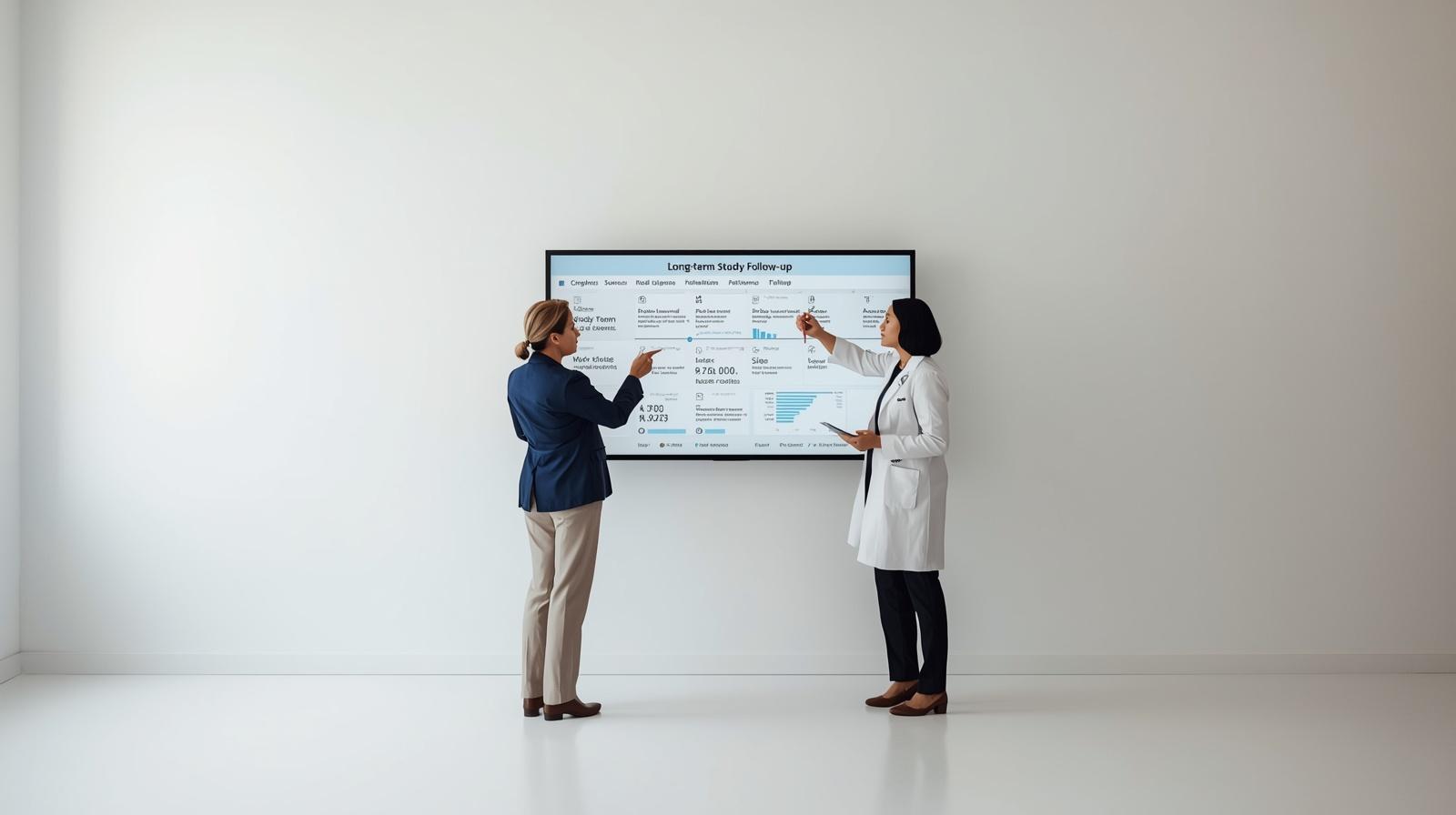
Post-market studies do not usually fail from a single event. They degrade through repeatable operational failure modes that accumulate between visits and weaken endpoint usability over time.
- Adherence decay: diary completion, questionnaire response, and task participation decline gradually rather than collapsing all at once
- Wearable continuity loss: charging fatigue, non-wear, sync failure, and device friction reduce usable signal over time
- Follow-up spacing risk: longer intervals between in-person visits create larger windows for silent disengagement
- Site burden transfer: sites are expected to recover missed follow-up, troubleshoot devices, and re-engage patients without dedicated infrastructure
- Fragmented accountability: sponsor, site, patient, and vendor all see part of the problem, but no single layer owns recovery end-to-end
- Delayed escalation: issues are visible in dashboards but are not acted on quickly enough to prevent compounding data loss
- Normalized missingness: repeated lapses stop feeling exceptional and begin to be treated as expected study noise
These are not abstract risks. They are the recurring operational patterns that weaken long-term post-market, PMCF, and post-approval datasets until evidence quality, interpretability, and submission confidence become harder to defend.
Regulatory Reality: Post-Market Evidence Still Depends on Execution
Post-market studies are not simply commercial follow-up programs. They often sit inside regulatory, safety, lifecycle, and evidence-generation obligations that require sponsors to maintain data continuity after approval.
- FDA postmarketing requirements and commitments can require additional evidence generation after approval when ongoing safety or effectiveness questions remain
- Device post-approval studies are used to help assure continued safety and effectiveness after market entry
- PMCF programs under European device frameworks rely on structured post-market clinical follow-up, not passive observation
- Real-world follow-up becomes more important as evidence expectations extend beyond the controlled site visit model
In practice, regulatory intent does not guarantee operational execution. If patients disengage, wearable continuity weakens, or site follow-up becomes inconsistent, the evidence plan can remain formally intact while the dataset itself quietly loses strength.
That is why post-market compliance must be treated as an operating discipline, not just a documentation requirement or a passive dashboard view.

PMCF, Post-Approval Studies, Real-World Follow-Up, and Wearables
PMCF and post-approval studies are not just evidence-generation exercises. They are operational models that depend on sustained follow-up, patient responsiveness, data continuity, and structured recovery when adherence begins to slip.
- PMCF: requires reliable long-term follow-up and documented recovery of engagement
- Post-approval studies: often run long enough for operational drift to become the main threat
- Real-world follow-up: reduces control and increases the need for execution discipline
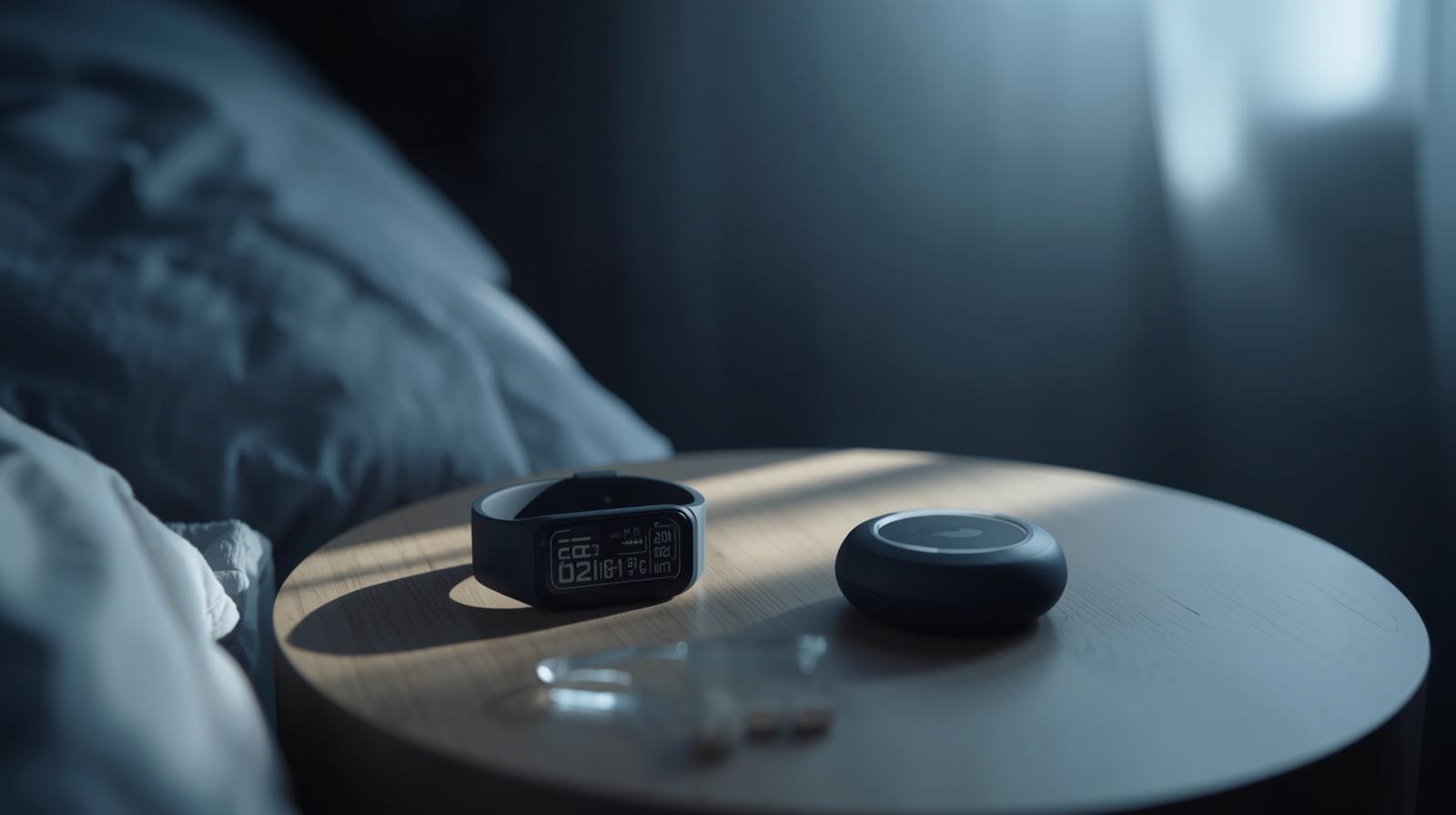
- Wearables in post-market studies: add signal value, but also create sync failure, charging fatigue, and support burden
That is why the strongest programs pair digital infrastructure with a real operating layer and patient concierge services that can intervene when passive tools are not enough.

Why Post-Market Compliance Breaks Across Fragmented Vendors
Many post-market programs rely on separate tools for eCOA, wearables, patient outreach, analytics, and site support. The result is that visibility gets split across vendors while recovery ownership, escalation speed, and accountability remain unclear.
- eCOA vendor: shows missed assessments but does not always recover engagement
- Wearable vendor: shows sync loss but does not always resolve patient friction
- Site team: is expected to recover follow-up while already carrying activation and visit burden
- Analytics layer: surfaces trends but does not itself close the loop
- Patient support or call-center layer: may exist, but often sits outside the core operational workflow and does not own evidence recovery end-to-end
Delve brings these workflows together into one operating model so sponsors can monitor, intervene, document, and recover compliance with less fragmentation and more operational accountability.

The Four Pillars of Stronger Post-Market Compliance
The strongest post-market studies combine digital data capture with an active operating layer that identifies drift, intervenes quickly, reduces site burden, and protects endpoint continuity over time.
eCOA That Supports Long-Term Adherence
Structured patient reporting that helps sponsors see where long-term follow-up begins to weaken and where intervention is needed.
Wearable Continuity Monitoring
Track sync failure, charging fatigue, and declining usage before signal loss becomes normalized.
Human Recovery of Patient Drift
Live support helps restore adherence, resolve friction, and reduce the burden placed on sites and study teams.
Real-Time Visibility Across Follow-Up
See unresolved issues across eCOA, wearables, and support signals before they erode long-term data quality and evidence defensibility.
What Sponsors Should Do Differently
Long-term compliance should not be treated as a downstream KPI. It should be designed as an operating model with clear ownership, intervention logic, escalation pathways, and visibility across every patient-facing touchpoint.
- Design multi-year follow-up with recovery steps built in from the start
- Treat missed activity as recoverable rather than simply reportable
- Reduce the amount of support burden placed on sites alone
- Connect eCOA, wearables, analytics, and human support under one operating model
- Use site enablement for long-duration studies where site teams need structural support
- Close the loop on patient friction before missingness becomes accepted loss

Why Delve Health Fits Post-Market Programs
Delve Health is built for studies where execution quality determines whether long-term evidence remains interpretable, usable, and defensible. Our role is not limited to digitizing collection. We help sponsors operate the execution continuity layer that sits between visits across patient reporting, wearables, support workflows, and escalation management.
- Execution continuity: detect drift before it becomes normalized missingness
- Human recovery: use live support when automation is no longer enough
- Site burden reduction: support sites without expecting them to own every recovery workflow alone
- Unified visibility: connect eCOA, wearable, and patient support signals under one operating layer
- Long-duration fit: support PMCF, post-approval, and real-world follow-up models where continuity matters more each month
This makes Delve particularly relevant when study success depends not just on enrollment or endpoint design, but on the sponsor’s ability to sustain follow-up discipline, patient responsiveness, and data continuity over years.
Explore related capabilities: wearables in clinical trials, patient concierge services, and site enablement for long-duration studies.

What This Looks Like in Practice
A participant gradually stops syncing a wearable
Instead of discovering the issue weeks later in a report, Delve helps identify the lapse early, investigate the cause, and trigger recovery before the signal is lost for an extended period.
eCOA completion declines once visits become less frequent
Delve helps sponsors see where adherence is weakening, apply follow-up workflows, and reduce the chance that declining completion quietly becomes accepted missingness.
Sites are expected to absorb every recovery workflow
Delve supports sites with a dedicated operating layer so patient recovery, troubleshooting, and continuity efforts do not sit entirely on already burdened study teams.
Frequently Asked Questions
Why do post-market studies struggle over time?
Because long-duration programs create repeated opportunities for adherence decay, wearable continuity loss, site burden transfer, and delayed escalation between visits.
What is PMCF and why does execution matter?
PMCF depends on sustained patient engagement, ongoing clinical evidence collection, and reliable long-term follow-up. Passive tools alone do not restore adherence once patients begin to drift.
Are wearables enough for post-market studies?
No. Wearables can provide valuable signal, but they do not by themselves recover missed syncs, charging fatigue, non-wear, or patient disengagement. Those failure modes require operational follow-through.
Why are sites alone often not enough for long-term follow-up?
Sites remain central to study execution, but many are not structured to own every patient support, troubleshooting, and recovery workflow required in long-duration post-market studies.
How does Delve Health support post-market studies?
Delve combines eCOA, wearables, analytics, and human-led patient support to detect issues early, recover continuity, reduce site burden, and help sponsors preserve usable long-term datasets.
Execution Discipline Determines Evidence Value
If your study depends on sustained follow-up, real-world data integrity, and defensible long-term outcomes, execution continuity must be actively owned.
Review Your Post-Market Execution Model