
Support model
Proactive
Not ticket-only
Coverage
120+
Languages supported
Operational goal
Recovery
Protect the signal early
Participant Support Workflow
Guide → Troubleshoot → Follow Up → Escalate
Wearable support is the operational layer that helps participants successfully use study devices over time. It includes onboarding, troubleshooting, reminders, behavioral reinforcement, and recovery workflows when device usage or signal continuity begins to drift.
The purpose of support is not just answering questions. It is reducing avoidable data loss and keeping participants confident enough to stay engaged.
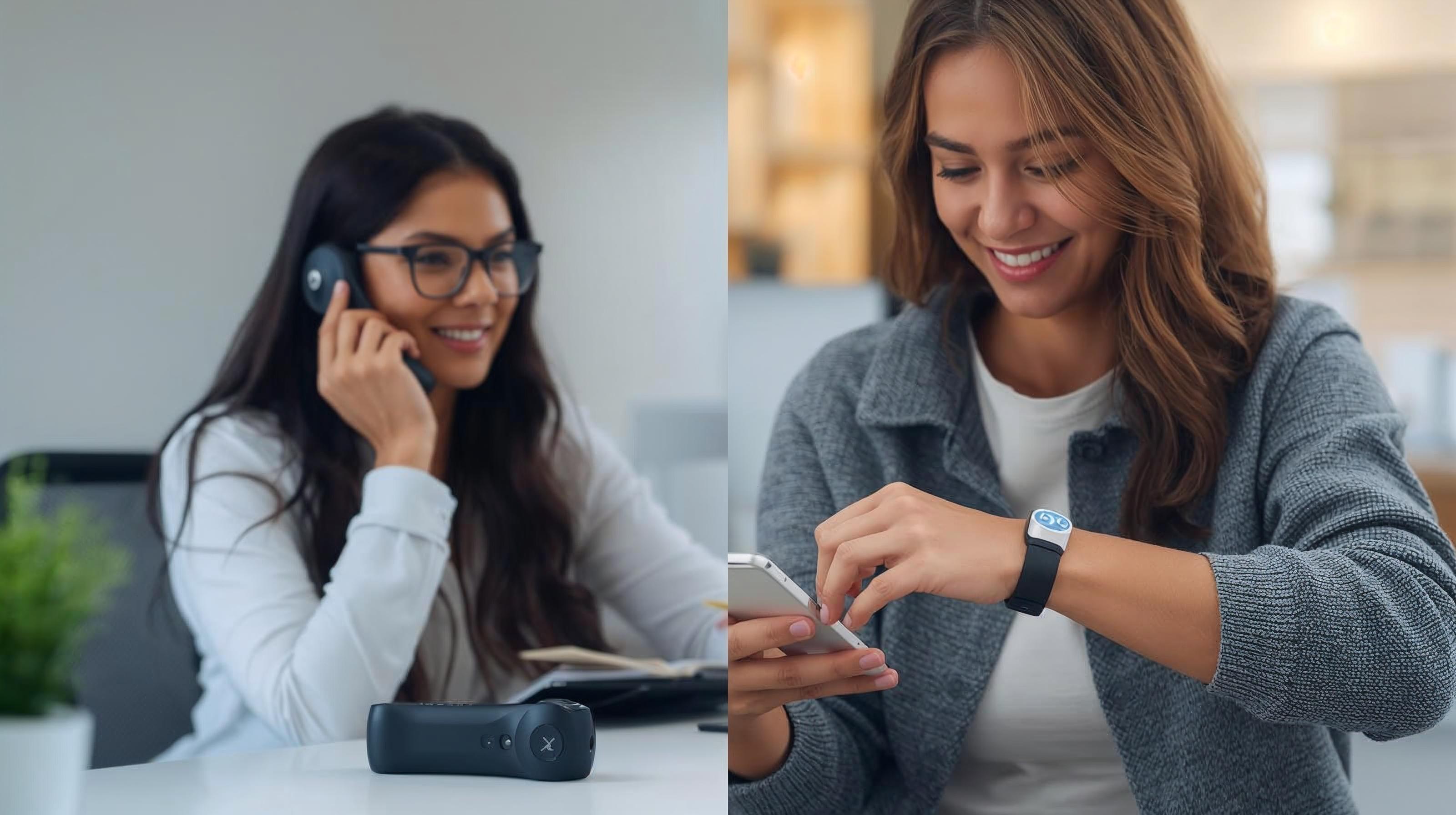
Most device-related study issues are recoverable — but only if someone sees them early and helps the participant fix them quickly.
Even motivated participants can forget routines, lose confidence, or deprioritize device use when life gets busy.
A simple sync or charging issue can feel confusing or discouraging without human guidance.
The earlier a participant is helped, the more likely the study can recover signal before the gap compounds.
Research coordinators should stay focused on study execution, not absorb every device question and support request.
Participants stay more engaged when they know help is available and the experience feels guided, not fragile.
Operationally supported participants are more likely to generate the continuous longitudinal data the protocol depends on.
Support is not an extra layer. In wearable studies, it is part of the data-quality infrastructure.
Strong support does not just solve problems. It reduces the number of problems that ever become study-level issues.
The strongest support models are designed around the participant experience and the operational needs of the study at the same time.
Good support feels simple to the participant, efficient to the site, and protective to the dataset.
See related pages: Concierge · Device Integration · Provisioning
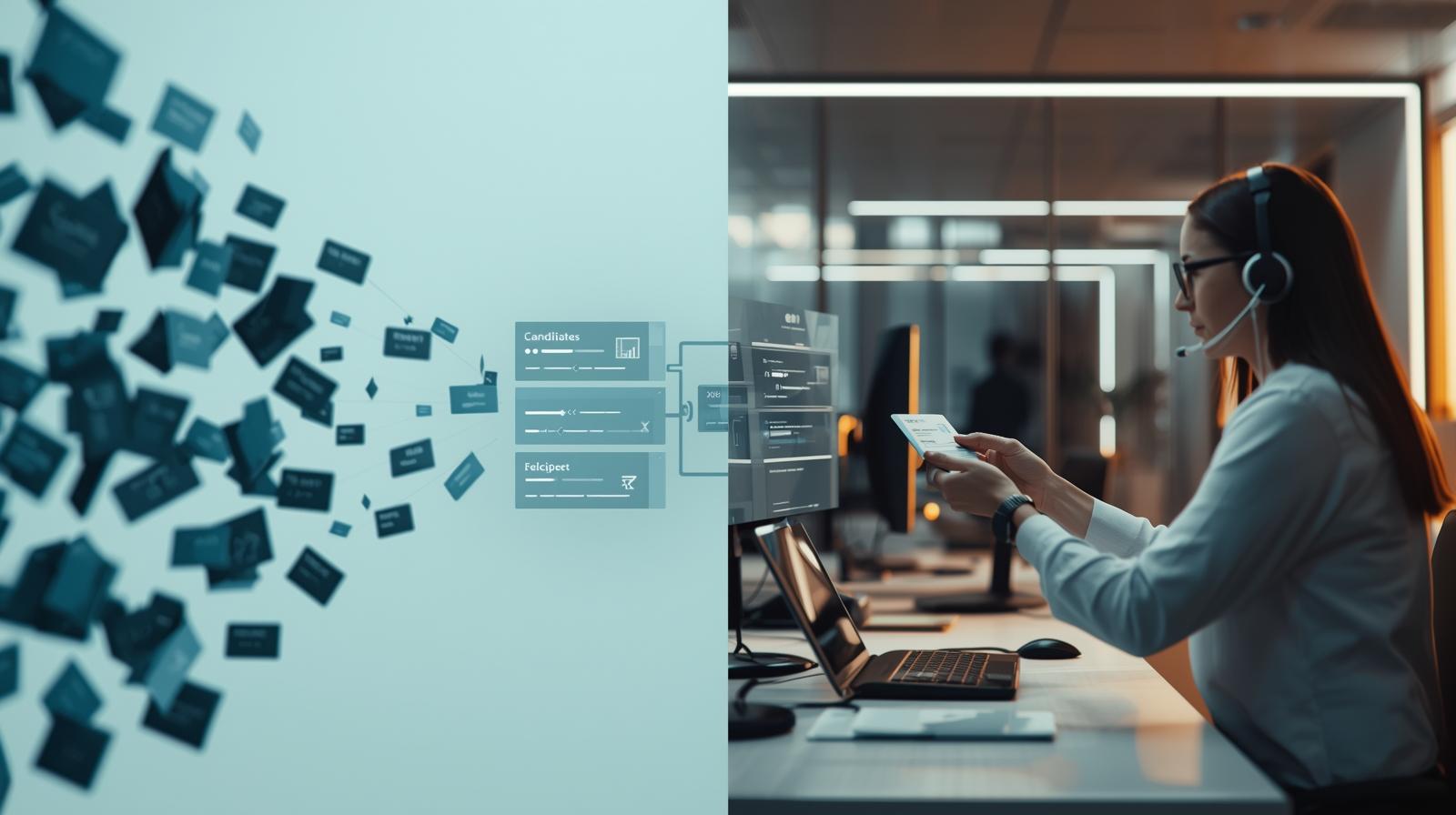
Support exists because even strong devices and integrations can still break down at the participant level.
Participants slowly fall out of routine unless someone helps reinforce the behavior early.
Battery expectations create recurring risk when participants are not guided toward sustainable routines.
Participants often do not know whether their device is actually transmitting data correctly.
Weak onboarding creates avoidable friction that carries forward into ongoing compliance problems.
Without a support layer, routine operational issues escalate to coordinators who already have too much to manage.
When no one follows up early, small issues become larger periods of missing or low-quality signal.
Support is one of the most practical ways to protect wearable-driven compliance and data quality.
No. Even simple devices can fail in real-world studies because of routine, motivation, sync uncertainty, charging burden, or participant confusion over time.
Not for routine issues. A strong support model gives participants a faster, lower-friction path to help while keeping sites focused on higher-value study responsibilities.
Because participant help is not separate from data quality. In wearable trials, better support often means better longitudinal signal continuity.
Delve combines device monitoring, participant assistance, multilingual support, and operational recovery workflows to reduce site burden and keep wearable-driven studies running smoothly.
Book a Support Discussion