
Device strategy
Fit-for-purpose
Endpoint-first selection
Deployment options
BYOD + Provisioned
Study-specific flexibility
Operational goal
Usable Data
Not just shipped hardware
Device Selection Model
Choose → Deploy → Monitor → Recover
Delve supports a broad wearable ecosystem across clinical trial use cases, with device strategy built around endpoint needs, participant burden, signal quality, and study operations — not vendor preference.
Example devices include Garmin, Fitbit, and ActiGraph GT9X for activity, mobility, wear-time, and movement-related digital measures.
Example devices include Apple Watch, Withings HR / ScanWatch, and MegaRing for multi-signal monitoring across heart rate, sleep, and physiologic trends.
Example devices include Dexcom G6 / G7, Abbott Libre 2 / 3, and connected Bluetooth glucometers for continuous glucose and metabolic monitoring.
Example devices include MIR Spirometer and NuvoAir for home respiratory monitoring, lung function workflows, and remote symptom context.
Example devices include cellular blood pressure monitors, Circul+, Omron Series, and AliveCor for cardiovascular and physiologic monitoring workflows.
Example devices include cellular pulse oximeters and Nonin Connect for oxygenation, pulse, and physiologic monitoring outside the site.
Example devices include Withings Body Pro and Body Comp Scale for weight, body metrics, and metabolic-study support.
Example devices include digital thermometers and TempTraq for temperature capture and remote safety monitoring workflows.
Endpoint-focused. Vendor-agnostic. Delve selects and supports devices based on fit-for-purpose study needs, participant usability, and operational success — not a fixed hardware stack.
The best wearable device is the one that can support the study from first use through final analysis.
One of the most important device decisions is whether to support bring your own device (BYOD), fully provisioned kits, or a hybrid model.
The right answer depends on the participant population, digital literacy, geographic spread, protocol risk, and the level of control the study needs.
See related pages: Provisioning · Device Integration
Device selection should be pressure-tested across signal quality, participant experience, and real study operations.
Does the device actually produce the measures the study needs in a usable way?
Can participants realistically wear or use it for the needed duration without excessive fatigue or discomfort?
How reliably does the device transmit data, and what happens when pairing or sync issues occur?
Does battery behavior create added participant burden or risk of silent data loss?
Is the device appropriate for the age, disease burden, dexterity, and digital familiarity of the target cohort?
Can the study team detect issues quickly and resolve them without creating site overload?
Device strategy should anticipate friction, not assume perfect usage.
Even high-quality wearable devices can underperform if the study does not support them operationally.
This is why device strategy has to include monitoring, support, and recovery — not just hardware selection.
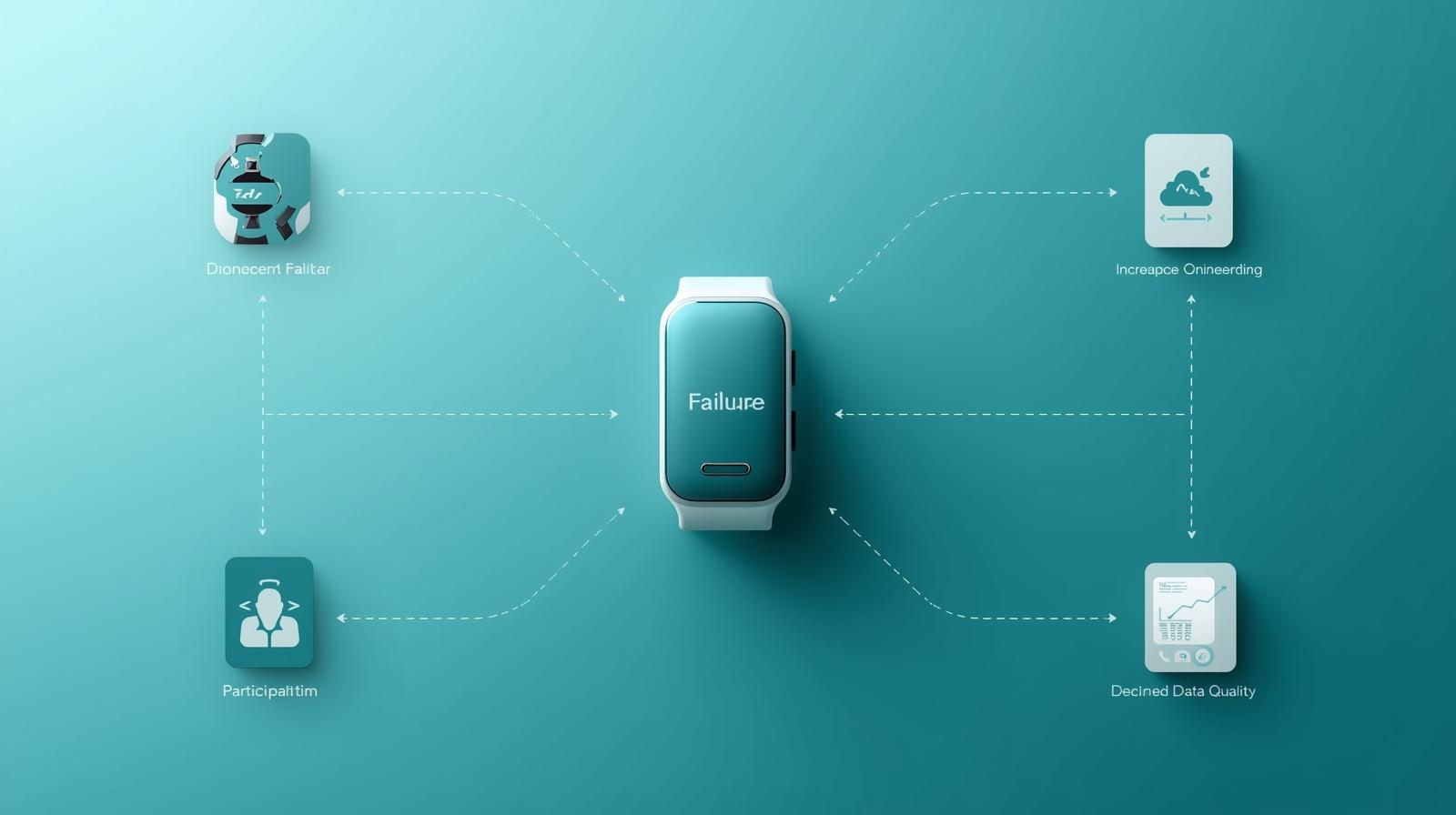
No. A wearable should be used when it adds meaningful signal or improves endpoint strategy, not just because the technology is available.
Sometimes, depending on context of use. The key is whether the device fits the endpoint, study design, participant population, and operational model.
Because the wrong device can create burden, data gaps, and support noise even if it looks impressive on paper.
Delve helps sponsors choose fit-for-purpose wearable strategies that balance endpoint value, participant burden, device operations, and long-term data continuity.
Book a Wearables Walkthrough