Clinical trials depend on steady patient participation to deliver meaningful and reliable results. Yet, many participants face barriers that make continued involvement difficult. Travel distance, complex schedules, and lack of support often contribute to early withdrawal from studies. Patient concierge services are transforming this experience by providing tailored assistance that helps participants stay engaged and supported throughout the trial.
For clinical operations teams and project leads, concierge programs represent a practical way to reduce dropout rates and enhance participant satisfaction.
Understanding Patient Concierge Services
Patient concierge services are dedicated support systems designed to simplify the participant experience. They address non-medical challenges that can influence retention, such as transportation, lodging, and communication barriers.
Purpose and Role
These services function as a bridge between clinical teams and participants, offering logistical help, timely reminders, and emotional support to make trial participation easier.
Scope of Support
Concierge teams handle tasks ranging from travel coordination to appointment scheduling and reimbursement assistance. This hands-on support enables participants to focus on their role in the study without unnecessary stress.
Reducing Logistical Barriers
Travel and logistics are among the most common obstacles that discourage patients from staying in trials. Concierge programs directly address these issues by providing personalized solutions.
Travel Coordination
Participants often need to travel long distances to attend study visits. Concierge staff arrange transportation, parking, or even air travel when necessary, ensuring patients arrive on time and with minimal hassle.
Accommodation Assistance
When trials require overnight stays, the concierge team helps book convenient and affordable lodging close to the research site. This reduces fatigue and adds comfort during participation.
Expense Reimbursement
Managing out-of-pocket costs can be challenging for participants. Concierge programs simplify reimbursement by handling documentation and payment tracking, preventing financial strain from becoming a reason for withdrawal.
Improving Communication and Engagement
Effective communication is key to keeping participants informed and connected throughout the trial. Concierge services play a major role in maintaining this engagement.
Dedicated Communication Channels
Concierge representatives serve as a consistent point of contact, answering questions and clarifying study procedures. This personal connection fosters trust and reassurance.
Appointment Reminders
Automated and personalized reminders help participants stay aware of upcoming visits and reporting requirements, improving adherence to study timelines.
Education and Guidance
Concierge teams also provide participants with educational materials, ensuring they understand study expectations, rights, and next steps.
Enhancing Patient Comfort and Experience
When participants feel cared for and supported, they are more likely to complete the trial. Patient concierge programs are built to deliver a smoother, more positive experience.
Reducing Participant Burden
By handling logistics and administrative details, concierge teams remove much of the stress associated with participation. This allows patients to focus on their health and study goals.
Creating a Sense of Connection
Personalized assistance helps participants feel valued. This human-centered approach builds rapport, which is essential for long-term engagement.
Timely Problem Resolution
Concierge staff can quickly address travel disruptions, appointment conflicts, or confusion about study processes, preventing frustration and disengagement.
Supporting Clinical Operations Efficiency
Concierge programs not only benefit participants but also streamline clinical trial operations.
Reduced Site Workload
By outsourcing non-clinical coordination tasks to concierge services, site staff can focus on data collection and patient care instead of administrative tasks.
Improved Scheduling and Attendance
Consistent communication and travel support help reduce missed appointments, ensuring smoother scheduling and better data continuity.
Enhanced Data Quality
When participants attend visits consistently, clinical data becomes more reliable, contributing to stronger study outcomes.
Facilitating Inclusivity and Accessibility
Concierge services make it easier for a wider range of participants to join and stay in trials.
Reaching Diverse Populations
By helping with travel and accommodation, concierge programs allow patients from rural or underrepresented areas to participate, improving diversity in research.
Supporting Vulnerable Participants
Elderly individuals or patients with limited mobility benefit significantly from organized transport and personalized guidance, ensuring equitable access.
Overcoming Language Barriers
Some concierge programs include multilingual staff or translation tools, enabling clear communication with participants from diverse backgrounds.
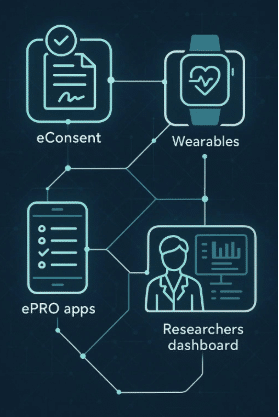
Integrating Technology in Concierge Programs
Technology enhances the efficiency and personalization of patient concierge services.
Digital Scheduling Systems
Participants can view, confirm, or reschedule appointments through digital portals, reducing confusion and improving flexibility.
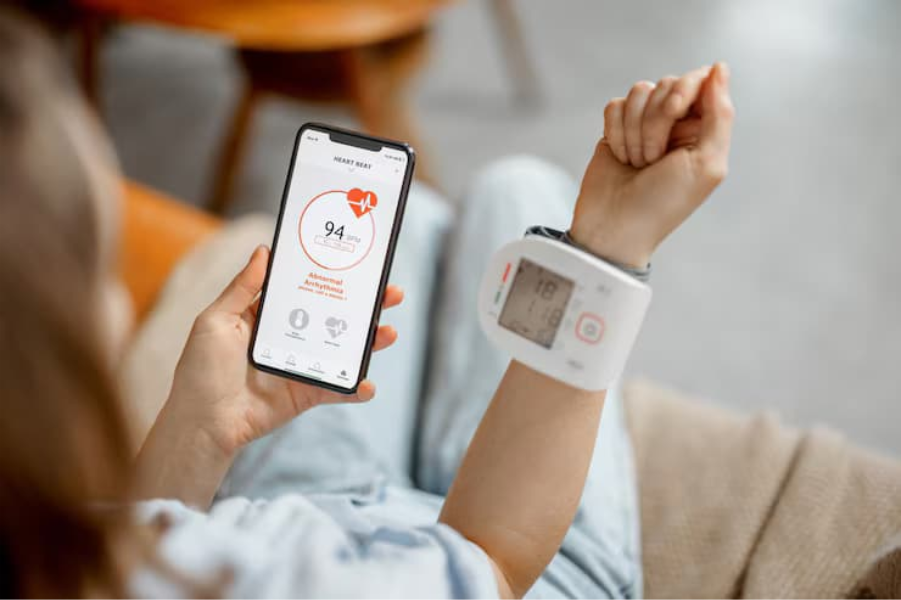
Mobile Apps for Support
Some concierge services use mobile applications that provide travel details, contact information, and real-time updates for participants.
Data Tracking and Feedback
Digital platforms track communication history and feedback to continuously improve the concierge experience.
Building Long-Term Trust and Retention
The goal of patient concierge services is to create a positive and trusting environment where participants feel supported from start to finish.
Personalized Follow-Up
Concierge representatives check in with participants regularly, ensuring their needs are met and addressing issues before they escalate.
Participant Satisfaction Surveys
Collecting feedback allows clinical teams to refine processes and strengthen relationships with participants.
Retention through Relationship Building
Participants who feel appreciated and understood are more likely to stay involved until study completion, improving overall retention rates.
Ethical and Regulatory Considerations
While concierge programs focus on comfort and engagement, they must align with ethical guidelines and trial protocols.
Transparency and Compliance
All services provided should be clearly documented and approved by the study sponsor or institutional review board to ensure fairness.
Equal Access for All Participants
Support must be consistent across all participants to maintain ethical standards and prevent bias.
Confidentiality and Data Protection
Concierge staff must follow strict data privacy protocols to protect personal and health information.
Conclusion
Patient concierge services are reshaping the clinical trial landscape by making participation easier, more comfortable, and more accessible. Through dedicated travel coordination, communication support, and technology integration, these programs reduce barriers and improve patient retention in clinical trials.
For clinical operations and project teams, concierge solutions offer both practical and ethical benefits — supporting patient engagement while strengthening data reliability and operational efficiency. As trials continue to evolve toward patient-centered models, concierge services will remain an essential element of successful research participation strategies.
FAQs
What are patient concierge services in clinical trials?
They are support programs that assist participants with travel, scheduling, and communication to improve their overall trial experience.
How do concierge programs help improve patient retention?
By removing logistical and emotional barriers, concierge services make it easier for participants to stay engaged and complete the study.
Are concierge services only for large clinical trials?
No. Both small and large trials can benefit from concierge programs, especially those with geographically diverse participants.
How does technology support concierge programs?
Digital tools help manage appointments, automate reminders, and provide real-time updates, making the experience more efficient.
Do patient concierge services comply with research regulations?
Yes. All activities are conducted under strict ethical and data privacy standards to ensure fairness and compliance.