Patient retention in clinical trials has always been a challenge for research organizations. When participants drop out before completing a study, it can delay results, raise costs, and even jeopardize data integrity. However, advancements in technology have introduced new ways to keep participants engaged, supported, and compliant throughout the trial journey.
For clinical operations teams, adopting digital tools and patient support systems has become essential to improving long-term retention and ensuring study success.
Understanding Patient Retention in Clinical Research
Patient retention in clinical trial refers to keeping participants actively involved from the beginning of a clinical trial until its conclusion. Consistent participation is vital because dropouts can distort results and reduce statistical power.
Technology offers multiple solutions to minimize these dropouts by improving communication, tracking engagement, and simplifying participation requirements.
The Impact of Dropouts
Even a small number of participant withdrawals can lead to extended recruitment cycles and higher costs. Retaining patients ensures data consistency and more accurate outcomes.
Technology as a Retention Tool
Modern technology provides real-time insights into patient behavior and health data, helping clinical teams intervene early and maintain engagement.
Leveraging Patient Support Apps
Digital patient support apps are at the forefront of retention strategies in clinical research. These platforms are designed to make participation easier and more interactive.
Improved Communication
Support apps allow participants to receive study updates, reminders, and direct communication with coordinators. This improves transparency and reduces uncertainty.
Personalized Engagement
Patient engagement is strengthened through tailored notifications and educational resources that keep participants informed and motivated. Mobile apps help participants feel more connected to the study, reinforcing their sense of contribution and importance throughout the trial.
Convenience and Accessibility
Patients can report symptoms, track progress, and receive feedback without the need for frequent in-person visits. This convenience promotes consistency and satisfaction.
Using Data-Driven Retention Strategies
Technology enables the collection of data that clinical teams can use to improve retention. By analyzing participant behavior, teams can identify risk factors for dropout and take preventive action.
Predictive Analytics for Retention
Predictive models can highlight participants who may be at risk of leaving, allowing teams to provide timely support and engagement interventions.
Real-Time Monitoring
Continuous data monitoring from wearable devices or digital diaries helps track adherence and engagement levels throughout the study.
Personalized Interventions
By leveraging data insights, research teams can adjust communication, reminders, and incentives based on individual patient needs.
Enhancing Compliance Monitoring
Compliance is a cornerstone of successful clinical trials. Without adherence to protocols, data quality and trial outcomes suffer.
Automated Reminders and Alerts
Technology allows automated alerts for medication schedules, follow-up appointments, or reporting deadlines. These reminders help participants stay on track without feeling overwhelmed.
Electronic Data Capture Systems
Digital tools enable seamless recording of participant data, improving accuracy and reducing administrative errors. This simplifies reporting for both participants and clinical teams.
Integration with Wearables
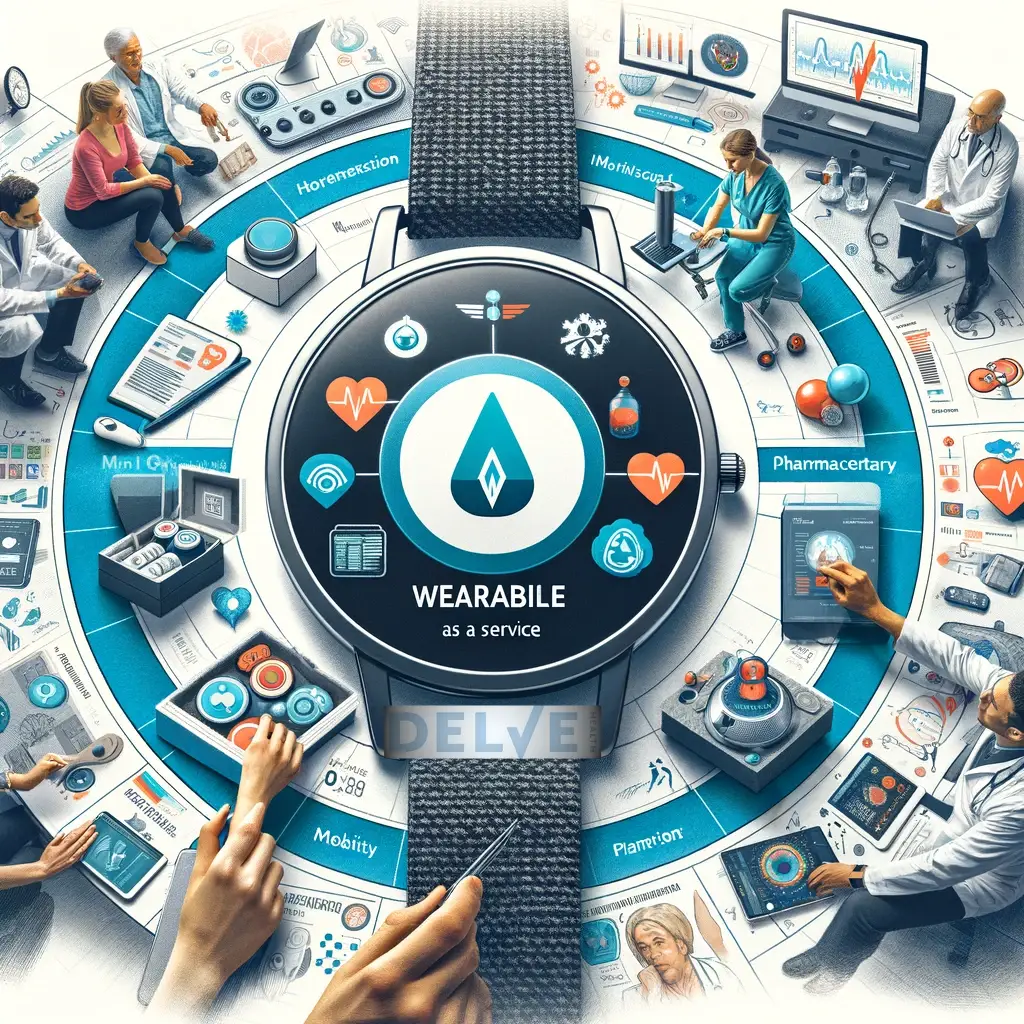
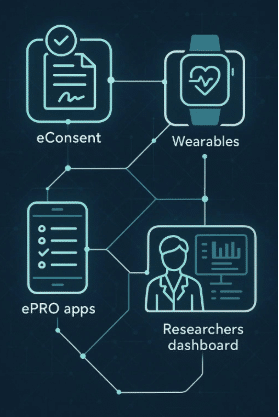
Wearable devices linked with compliance monitoring software provide real-time tracking of vital signs or medication adherence, reducing manual documentation.
Improving Patient Experience Through Digital Support
The patient experience plays a major role in determining retention. Participants who feel supported and informed are more likely to complete the study.
Simplified Onboarding
Digital onboarding platforms guide patients through consent forms, study expectations, and initial procedures, reducing confusion at the start of a trial.
Interactive Education Tools
Engaging videos, infographics, and digital FAQs educate participants about the study and the importance of their continued involvement.
Ongoing Emotional Support
Chatbots or digital health coaches can provide motivational feedback, answer questions, and address concerns, making patients feel valued and heard.
Facilitating Remote Participation
Remote participation has become a key strategy for improving retention, especially with decentralized or hybrid clinical trial models.
Telemedicine Consultations
Virtual visits allow participants to consult physicians or coordinators without traveling to a clinical site, increasing convenience and engagement.
Home-Based Monitoring Tools
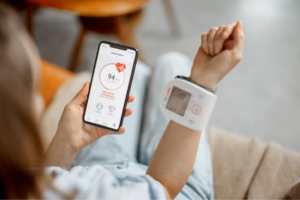
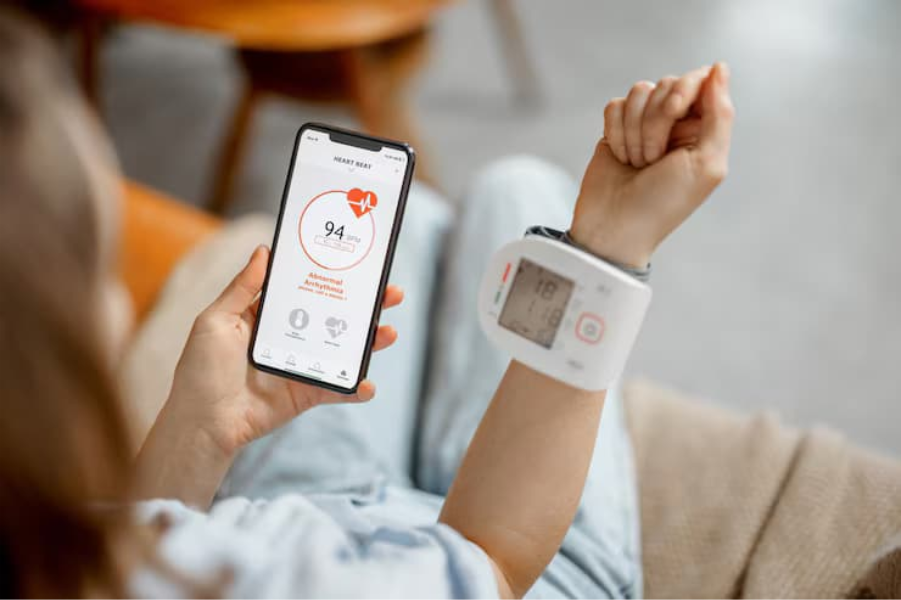
Devices that measure blood pressure, glucose, or heart rate at home send data directly to the study database. This reduces the burden of travel and time commitments.
Reduced Geographic Barriers
Remote participation enables individuals from diverse regions to join studies, improving inclusivity and representation while reducing dropout risks.
Building Trust Through Transparency
Transparency fosters trust, which is crucial for patient retention. Participants who understand the purpose of the study and how their data is used are more likely to stay engaged.
Digital Biomarkers further enhance this transparency by providing real-time, objective data from wearable devices and sensors, helping both researchers and participants track progress with clarity and confidence.
Regular Progress Updates
Digital dashboards can show patients how the study is progressing and highlight their contributions to the overall results.
Data Security Assurance
Emphasizing secure data handling practices ensures participants that their personal information is protected. This builds long-term confidence in the research process.
Encouraging Long-Term Engagement
Retention does not end with a single trial. Encouraging participants to join future studies creates a sustainable relationship between research organizations and volunteers.
Loyalty Programs for Participants
Some studies use digital recognition systems to thank participants for their continued involvement, improving satisfaction and trust.
Feedback Collection and Improvement
Technology allows researchers to collect post-trial feedback through surveys or mobile apps. These insights help improve future study design and retention methods.
Community Building
Online forums and digital communities connect participants with others in the same study, promoting peer motivation and reducing feelings of isolation.
The Role of Artificial Intelligence in Retention
Artificial intelligence (AI) is becoming increasingly important in predicting, analyzing, and enhancing patient retention.
Predictive Modeling
AI algorithms analyze behavioral and demographic data to identify patterns that indicate potential withdrawal risks.
Automated Support Systems
AI-powered chatbots provide personalized communication and immediate answers to participant queries, improving responsiveness and satisfaction.
Improved Decision-Making
Data-driven insights from AI systems help clinical teams allocate resources effectively, ensuring at-risk participants receive the attention they need.
Conclusion
Patient retention is one of the most important factors in the success of clinical trials. Patient Concierge Services play a vital role by supporting participants throughout the process, ensuring comfort, communication, and consistent engagement. Technology has become a key enabler, offering practical tools for engagement, monitoring, and communication.
From mobile apps and wearable devices to predictive analytics and AI-powered support, digital solutions are redefining how clinical teams maintain long-term participant involvement.
By integrating technology into retention strategies, research organizations can not only improve completion rates but also enhance participant satisfaction, data quality, and overall study efficiency.
FAQs
Why is patient retention important in clinical trials?
Retention ensures consistent data collection, reduces costs, and improves the accuracy and reliability of study results.
How can technology help retain patients in clinical studies?
Digital tools like mobile apps, wearables, and telemedicine improve engagement, convenience, and communication.
What are the common causes of patient dropout in trials?
Participants often leave due to complex procedures, lack of communication, or travel inconvenience.
How do patient support apps enhance retention?
They offer reminders, educational resources, and communication channels that make participation easier and more engaging.
Is data collected from digital tools secure?
Yes. Modern clinical technologies comply with strict data protection standards, ensuring participant privacy and safety.